Weed Control and Lawn Care Shakopee Solutions
A thick lawn in Shakopee looks effortless, but the truth is it is managed. Weed control is not just about killing what you see today, it is about stacking the right conditions so weeds have fewer chances to start, fewer chances to survive, and fewer openings to spread.
In this area, the seasons do a lot of the work for you, and they also create the same problems year after year. Spring brings germination and fast growth. Summer can swing from hot and dry to heavy rain. Fall is a second act for both turf and weeds. If your lawn care is reactive, you will keep playing catch-up. If you treat it like a system, the lawn gets more competitive every month.
I see it repeatedly in driveways and backyards across Shakopee. People want the same thing: a lawn that looks clean, feels solid underfoot, and does not require an all-weekend routine of hand pulling and spot spraying. The “Shakopee solutions” are not a single product, they are a practical blend of mowing, fertility, soil attention, and targeted weed control, with edging and tree care handled correctly so the yard stays tight and the weeds do not get new footholds.
Why weeds take over in Shakopee lawns
Most weeds show up where the lawn is weak or inconsistent. That can be from compacted soil, thin turf, uneven mowing height, shade stress, irrigation issues, or landscaping features that trap debris and create bare spots.
In lawns around here, common weak spots include:
- Edges where turf meets beds, sidewalks, or driveway aprons and grass is trimmed back too aggressively.
- Thin areas under shrubs and trees where light and root competition reduce grass density.
- Low spots that hold water after rain, then dry out hard later, leaving bare ground.
- Compaction from foot traffic, wheel ruts, or repeated mowing on the same lines.
Once you have exposed soil, weeds do what they do best. They germinate quickly, root deeply, and spread through seed and runners. Even if you spray and “win” one season, those openings can set you up to lose the next.
The fastest way to make weed control harder is to focus only on the weeds while ignoring the conditions that allowed them to take root. The smartest approach is to treat weeds like symptoms, then fix the lawn’s ability to compete.
The weed control approach that actually holds up
Weed control in a healthy lawn is less about dramatic swings and more about consistency. The biggest difference I notice between yards that improve steadily and yards that keep cycling through problems is timing and turf strength.
A good plan usually blends three ideas:
- Control what is there now, using the right product strategy and the right application window.
- Prevent new weeds from gaining a foothold by protecting turf density and managing soil and moisture.
- Reduce recurring “weed highways” like rough edges, debris buildup, and shaded bare ground.
If you have ever tried to follow a calendar strictly, you know the frustration. Weather in Shakopee can throw timing off. A warm stretch might pull weeds forward early. A late cold snap can delay growth and change how plants respond. That is why application timing should be based on local conditions and lawn activity, not just a generic date.
A quick reality check on “spot spraying”
Many homeowners start with spot spraying because it feels targeted. Sometimes it works. Other times it creates a patchy look, kills some weeds but leaves others, and the lawn never fully fills back in because the underlying thin areas remain.
If you are going to spot treat, treat it like a temporary fix while you work on the lawn strength. Otherwise, you end up chasing. A yard can look “mostly okay” while still being fragile underneath, which is exactly the situation where weeds return with confidence.
Soil and turf basics that make weed control easier
Weed control gets dramatically simpler when the grass is thick and growing well. That is not a slogan, it is just plant competition. Healthy turf shades the soil surface, captures nutrients, and makes germination harder for many weeds.
In Shakopee, I pay close attention to these factors:
- Mowing height and frequency: Cutting too short weakens turf and opens the door to weeds.
- Fertility: Underfeeding can keep the lawn thin. Overfeeding without a plan can also create stress.
- Soil compaction: Hard soil reduces rooting depth and encourages bare patches.
- Watering habits: Too little encourages thinning, too much encourages problems and shallow rooting.
- Shade management: Turf under trees often needs a different strategy than open sun lawns.
A lot of weed issues are “turf issues.” When the lawn is maintained properly, weeds often fade from a constant battle to an occasional nuisance.
Mowing practices that reduce weeds instead of feeding them
Mowing is where many lawns accidentally set themselves up for weed season. If you mow low, scalp the grass, or bag incorrectly during certain conditions, you are effectively lowering the lawn’s defenses.
Here is what I tell people who want better results without turning lawn care into a second job. Maintain a mowing height that keeps the grass robust, and do not remove too much at once. In practice, that means staying ahead of growth so you are not forced into aggressive cuts.
Also, pay attention to the lines. If you mow the same direction every time and your lawn is slightly uneven, grass can wear down in repeat patterns. Over time, that creates thin zones. Those zones become weed magnets.
Finally, mower blades matter. Dull blades tear grass, and torn grass struggles to recover. A torn lawn surface is not just visually messy, it can become a germination zone.
Common weed problems in Shakopee and what they signal
Weeds are not all the same. Some are annuals that respond quickly to control, others are perennials that require repeated strategies. Some are opportunists, showing up because the turf is weak. Others thrive in specific soil moisture or sun patterns.
If you have seen any of these in your lawn, the weed itself is useful information, but it also points to a lawn condition worth addressing.
- Crabgrass: Often shows up where the lawn is thin and sunlight hits bare soil, especially after stress or compaction.
- Dandelions: Usually indicate weak spots, thin turf, or cycles of stress, since they can exploit open ground.
- Clover: Tends to appear when soil chemistry and compaction allow it to hold ground, and it often clusters in patchy areas.
- Thistle and other tough perennials: These often need a longer-term plan and better edge and turf density management.
- Broadleaf weeds in beds that spread into turf: This usually connects to edging and how beds are bordered and maintained.
The important point is not to memorize weed names. The important point is to recognize patterns, then fix the lawn conditions that made the weeds feel at home.
Edge control: where landscaping edging Shakopee MN makes a visible difference
If you want your yard to look “done,” edging is one of the biggest visual changes you can make. But it is also more than appearance. Edges are interfaces, and interfaces are where weeds love to sneak in.
When turf and beds meet, grass can spill into mulch lines, mulch can wash into grass, and debris can accumulate in a rough boundary. That is where seeds gather, where seedlings establish, and where you end up with that annoying line of weeds that never quite goes away.
Landscape edging around your beds helps in several practical ways. It creates a clean separation that makes mowing simpler, reduces mulch movement, and keeps the bed edge from becoming a thin strip of turf.
In Shakopee, I often see yards where edging is either missing, inconsistent, or installed in a way that traps water. That trapped water can keep turf stressed along the border, which then invites weeds. A properly installed edge system supports the lawn, it also supports the beds.
If you are planning a broader upgrade, combining lawn care with a landscaping design installation Shakopee project can be a strong move. When the bed layout, plant choices, and edging lines are planned together, you remove a lot of the future maintenance stress that creates weed openings.
Fertility and watering: the unglamorous work behind a cleaner lawn
Weed control is often sold like a product story. The real improvement comes from how the lawn grows. Fertility and watering should support turf density, not just push growth for a week or two.
In my experience, the yards that stay cleaner longer usually have watering habits that encourage deeper rooting. Deeper roots stabilize the lawn and make it less vulnerable during dry or hot spells. When the lawn stays dense, weeds have less bare soil to grab.
Fertilizer is similar. The goal is a balanced lawn, not a burst. If you fertilize too lightly, turf stays thin. If you fertilize incorrectly, you may stress the grass or promote uneven growth that creates weak areas.
This is where working with a landscaping service in Shakopee MN can save time. Not because you cannot learn, but because a local approach accounts for the realities of your soil, your sun exposure, and the way weather behaves between applications.
Tree service, shade, and the “hidden weed zones”
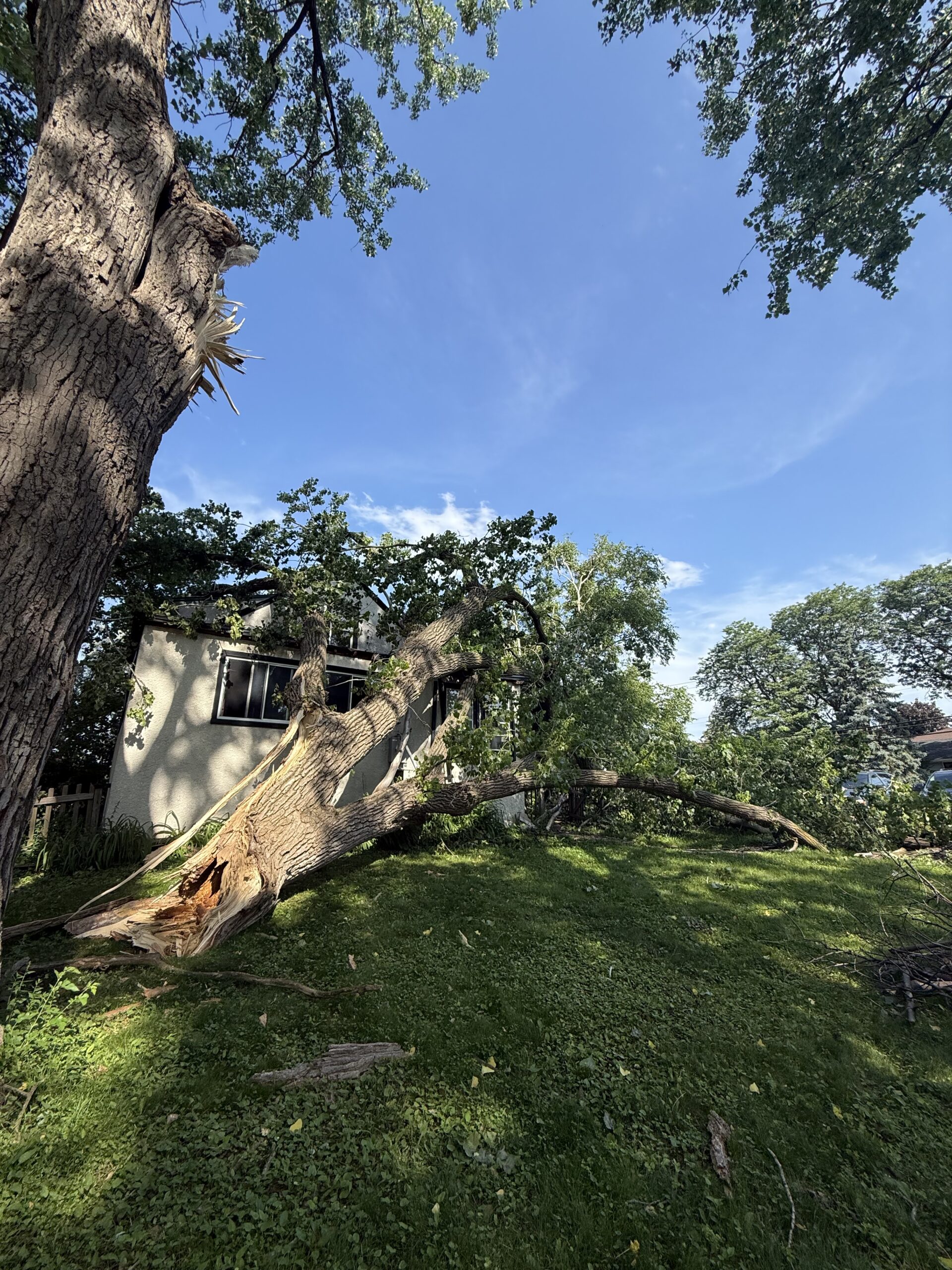
A lot of homeowners think weed control ends at the lawn surface. In reality, trees influence your yard more than almost anything. Shade reduces turf density, leaves drop and create seed beds, roots can heave or compact soil, and branches can block airflow and moisture patterns.
Tree service in Shakopee affects weed pressure in indirect but real ways. When tree work is scheduled well and done correctly, you often improve light penetration and reduce long-lasting leaf accumulation. That helps turf stay denser underneath and reduces the bare patches where weeds establish.
I do not recommend trimming based on aesthetics alone. The timing and method matter. If trees are pruned in ways that stress them, the yard can become messier in the short term. The best outcomes come from good planning and careful execution.
If you have a shaded lawn that is struggling, do not automatically assume you must live with a weedy look. Sometimes the lawn needs a shade-tolerant approach and better maintenance rhythm. Sometimes it needs tree adjustments or bed reshaping so the grass no longer has to fight the odds.
When to pursue professional lawn mowing service Shakopee
Consistent mowing is a big part of weed prevention, but it is also where schedules break down. If you mow once a week reliably, you can manage growth and prevent scalping. If your mowing window slips for two or three weeks during a busy stretch, the lawn responds by growing faster and getting cut harder, and that creates the stress that weeds take advantage of.
A lawn mowing service Shakopee can keep the schedule steady through peaks in growth. The benefit is not just convenience. Steady mowing helps the lawn stay thick, keeps clippings managed appropriately, and reduces the cycle of scalped turf followed by patchy regrowth.
There is also an eye-level benefit. When a service sees your lawn regularly, they spot small issues earlier, thin areas, drainage quirks, mower line patterns, and early weed clusters. Catching problems early means less invasive cleanup later.
What a good weed control program looks like in practice
A credible weed control plan is built around inspection, timing, and follow-up. It starts with looking at the lawn, not just the weeds. The inspector should evaluate turf thickness, bare areas, soil conditions, sun exposure, and the relationship between beds and lawn edges.
From there, the plan should match what you have. If you are dealing with existing weeds, the approach should address current growth. If the goal is to keep new weeds from taking over, the plan should include google.com preventive steps timed to local conditions and lawn activity.
A key detail is understanding response. Different weeds respond differently. Even if treatment works, you may not see immediate visual results the same day. That is one reason follow-up matters. If you apply something too late, it can be less effective, or it can push weeds through a stage where they recover.
In my experience, yards improve faster when the homeowner knows what to expect. You are not waiting blindly, you are watching the lawn and observing where turf thickens and where weeds still need attention.
A small checklist for planning your next step
If you are deciding whether to handle weed control yourself or coordinate with a local team, these questions help sort it out:
- Are the weeds mostly in the lawn interior, or do they concentrate along edges and around beds?
- Does mowing height stay consistent, or do cuts get aggressive when you fall behind?
- Do you see repeated thinning in the same spots after rain or after foot traffic?
- Is shade reducing turf density under trees and shrubs?
- Are there bare patches that never fully recover, even after mowing and watering?
Your answers usually point to the missing piece, often it is edging, mowing rhythm, soil compaction, or a shade-related turf strategy, not just weed treatment.
Landscaping design installation Shakopee: a longer-lasting path than constant fixes
Some lawns keep getting weeds because the layout keeps creating them. Turf that is surrounded by mulch without clean separation, bed lines that shift over time, and plant choices that leave bare soil gaps can all become recurring problems.
A landscaping design installation Shakopee approach can change the odds. When bed lines, plant density, and hardscape borders are designed together, you reduce bare soil exposure and keep weeds from spreading into turf.
For example, if you add shrubs and ground cover in a way that closes gaps and matches sun exposure, you do not just beautify. You remove places where weeds get established. And if edging is designed to support mowing and bed maintenance, you reduce the chance that mulch and debris will drift into turf.
This is also where professional installation can help with practicality. A yard that looks good in the first season but shifts or settles badly later creates new weed openings. Solid design considers drainage, soil contact, and how materials hold up through freeze-thaw cycles.
Building a weed-resistant lawn, season by season
Weeds do not behave like they do in a vacuum. They follow temperature, moisture, and light. That is why season planning matters, especially in a region with real winter and active spring growth.
Spring is usually about waking the lawn up without rushing. If you jump too early with heavy disturbance or overly aggressive treatments, you can stress turf at a sensitive stage. Spring is also when many weeds start pushing through. Managing that wave early helps reduce the second wave later.
Summer is where maintenance consistency becomes the whole game. Drought stress or mowing stress can open doors for certain weeds. Watering should support deep rooting, and mowing should prevent scalping. If you address weeds early in summer, you often reduce the fall surge.
Fall is often underrated. Many homeowners focus on the weeds they see in summer, then feel blindsided by fall growth. A thicker lawn heading into winter is a more competitive lawn in spring.
If you are working with a landscaping service in Shakopee MN, you typically get better results when they coordinate the plan across the season rather than treating each month like a standalone task.
Tree and turf coordination: the cleanup that prevents future weeds
Even after weed treatment, lawns can still look patchy if cleanup and maintenance are out of sync. That is where coordinated services help. Tree service can manage leaf drop and branch shading, while lawn mowing service keeps turf at the right height and rhythm.
If your yard has heavy leaf fall, leaves left to mat over grass can block light and create dead or stressed areas. Those stressed areas are prime weed real estate. Managing leaves is not glamorous, but it is practical. When the yard stays clear and turf is maintained consistently, weed pressure often drops.
Also pay attention to debris at bed edges. If mulch becomes thin in certain lines, weeds take advantage. Edge control plus periodic bed refresh can prevent those repeating gaps.
Two scenarios I see often, and how to respond
Sometimes a yard’s weed problem is driven by a single issue. Other times it is a stack of small issues that add up.
Scenario 1: Weeds show up right along bed edges
Usually, the issue is edging, mulch contact, mowing patterns, or debris movement. You can treat the weeds, but if the boundary remains rough and shifting, the problem returns. In these yards, landscape edging Shakopee MN upgrades, or a cleanup and reset of the bed edge line, often improves results quickly because it removes the “seed landing zone.”
Scenario 2: Weeds cluster in shaded areas under trees
Here, weed control alone rarely fixes it. Shade reduces turf density and makes grass slower to recover from stress. A tree service plan that addresses light and debris patterns, combined with a mowing and turf strategy that respects shade limitations, usually gets better long-term outcomes than repeated spot spraying.
In both scenarios, the lawn looks better when the underlying structural causes are addressed, not just the visible plants.
How to choose a local team for lawn care and weed control
If you are hiring help, choose based on process, not promises. A good team should be willing to explain what they are seeing in your yard, how the plan will be executed, and what follow-up looks like. They should also know that weed control is not one-size-fits-all.
Look for someone who understands that landscaping edging Shakopee MN and mowing service are part of the weed control system. If the focus stays only on spraying, you may see short-term improvements but the lawn can remain vulnerable.
When tree service is needed, good communication matters. Turf and trees influence each other. A coordinated plan helps prevent over-trimming without turf support, or treating weeds while leaving the shade and debris conditions unchanged.
Keeping results after the weeds are under control
Once weeds are reduced, the next challenge is maintaining the win. This is where consistent mowing, solid edge upkeep, and thoughtful bed maintenance pay off.
You will still see the occasional weed. The goal is not perfection, it is prevention of big flare-ups. When the lawn stays dense and the boundaries stay clean, weeds usually appear in small pockets. Those pockets are easier to manage, and the lawn fills back in.
If you have a yard with a mix of lawn, beds, and trees, you will get the best results by treating them as one landscape. Lawn care, landscaping design installation Shakopee improvements, edging, and tree service in Shakopee all contribute to whether weeds stay contained or spread.
A practical way to start this season
If you want a simple starting point, begin with observation. Walk the yard and note where weeds thrive. Are they along edges, in shade, in low spots, or in traffic areas? Then match your approach to those patterns.
If you want to take action right away, focus on the basics that influence weed growth: mowing consistency, protecting turf density, and tightening up edges so bare soil and debris do not become seed beds. From there, targeted weed control can do its job without fighting a constantly changing environment.
Weed control and lawn care in Shakopee is not about doing one thing perfectly. It is about stacking smart choices so the lawn keeps getting stronger, and the weeds keep running out of opportunities.
JCJ Landscaping and Snow Removal
7 West Travelers Trail, Unit 391, Burnsville, MN(55337)
(952) 649-6655
[email protected]
Website: https://jcjpropertymaintenance.com